Introduction
A move-in ready home at Lake Oconee sounds perfect: no waiting on permits, no long selection days, and no guessing about finish dates. You get lake mornings now, not two summers from now. Yet “ready” does not always mean “right.” Shoreline rules, humidity control, window performance, and outdoor rooms can make or break daily life on the water. With a calm checklist and a little local know-how from Southern Luxury Homes, you can walk through a home and see what truly supports comfort, resale, and easy weekends.
Start At The Water’s Edge

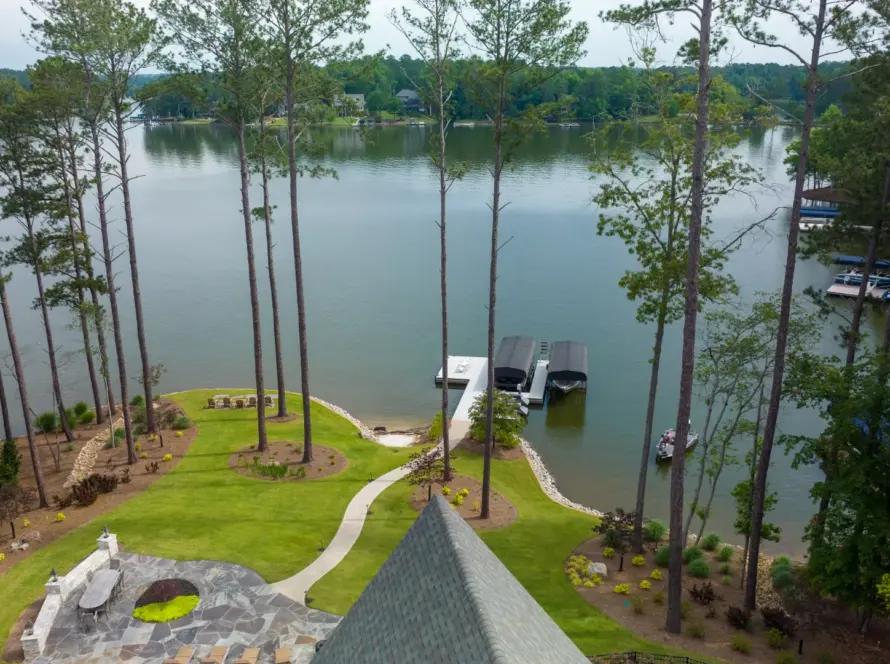
The shoreline sets the rhythm of lake life. Walk all the way down before you fall in love with the great room. Look for safe, steady access to the dock, not just a pretty path. Are steps wide, with slip-resistant treads and a handrail where the slope gets steep. Do low, shielded lights guide feet at night without brightening the cove. If the dock is existing, confirm the style fits the cove’s wind and wave patterns and that power and water lines are neatly run and protected. A shoreline that looks gentle and stable today will save you from erosion repairs later. For rules and approvals that shape docks and paths around Georgia Power lakes, review their shoreline guidance at the Shoreline Management page.
External link: Georgia Power Shoreline Management
Sun, Glare, And The Glass Wall Test
A wall of windows facing the lake looks dramatic, but the real test is at 3 p.m. on a bright day. Stand in the room and ask yourself two questions: Does the light wash out the space, and do you feel heat on your skin. Low-e glass should keep color true while blocking heat gain, and roof overhangs or nearby trees should soften direct sun. Bonus points for motorized shades that drop quietly and disappear just as easily. If you can watch a midday game without squinting, you are in good shape. I want to see how we plan glass and shade on custom builds, and how it changes daily life. Browse ideas on What We Build.
Humidity, HVAC, And Quiet Comfort
A home can feel cool yet clammy if equipment is oversized or ducts leak. Listen for short, frequent on-off cycles and note if rooms feel sticky after running the AC. High SEER systems with variable-speed air handlers remove moisture more effectively and run quieter. Ducts should be sealed and insulated, with returns sized for even airflow. Ask where fresh air enters and how it is filtered. Good homes breathe on purpose, not through gaps. For a fast primer on high-efficiency cooling and why it matters in Georgia’s climate, see ENERGY STAR’s overview.
External link: ENERGY STAR: Central Air Conditioners
Basements That Feel Like Real Living Space
Lower levels near the water need a plan, not just drywall and carpet. Look for clues that the builder treated the basement as conditioned space: sealed slab edges, real insulation at walls, clean dehumidification tied into the HVAC, and exhaust in baths and laundry rooms that actually vents outside. A finished basement should smell like the rest of the house, not like storage. If it feels bright, dry, and temperate, it will earn its keep during holidays and summer weekends.
Kitchens That Cook For A Crowd
Open kitchens sell homes, but working kitchens make them joyful. Check aisle widths and imagine two people moving around without bumping. Range hoods should vent to the exterior and match the output of the appliance. Counters near the grill path should resist heat and stains. If there is a beverage zone or scullery, it should pull traffic away from the cook, not jam it into the same corner. When layout supports real cooking and easy cleanup, hosting becomes fun again.
Porches, Pools, And Summer Kitchens You Will Use

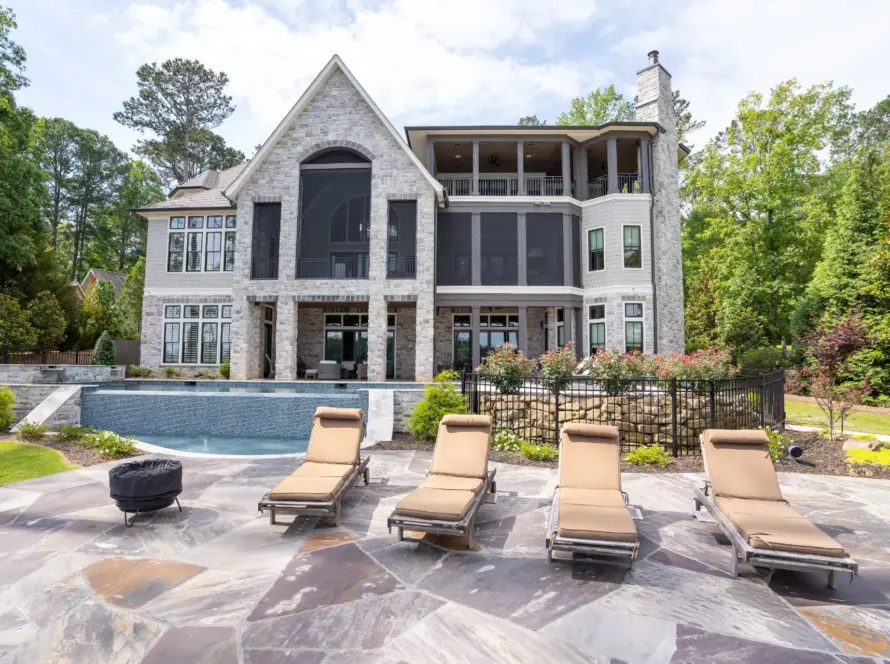
Outdoor rooms should pass a simple test: do they feel good at noon in July and again on a cool October evening. Deep overhangs, low-visibility screens, and quiet ceiling fans create all-day comfort. Slim infrared heaters extend shoulder seasons without loud blowers. A summer kitchen should function like the main kitchen, with a vent hood sized to the grill, a hand sink, trash pull-out, and prep space that faces conversation, not a wall. Pools and spas earn extra credit when they connect to the house with short, safe routes that guests find without asking.
Privacy Without Losing The View
Water carries sound, and golf fairways carry eyes. The best homes feel open to the horizon while staying private where it matters. Look for low seat walls, layered plantings, and small offsets in porch walls that block side views without trimming the lake into a narrow frame. Seating zones should face inward so conversation feels easy even on busy weekends.
Floors, Walls, And Roofs That Last Near Water
Moisture and sun work hard at the lake. Durable envelopes win over time: brick, fiber cement, stucco, or stone on the walls, with roofing chosen for both style and care goals, whether asphalt, cedar shake, slate, or premium synthetic shake. On terraces, textured stone or large-format tile avoids slip and glare. Inside, finishes near entries should take wet feet without complaint. When materials feel solid and honest, maintenance gets simpler and resale holds.
Smart Home Controls That Stay In The Background
A move-in home can come loaded with switches and apps that do not work together. Press a few buttons and see if scenes exist for Dinner, Movie, and Late Night. If shades move with lights, comfort feels natural. Security should filter alerts so wind and waves do not ping your phone. Remote checks belong in one app. When tech stays quiet, the architecture takes the stage.
The Quiet Stuff: Drainage, Grading, And Crawl Spaces
Walk the yard after a rain if you can, or look for evidence of smart drainage. Downspouts should carry water away from the foundation, not dump it at the base. Slopes should direct stormwater to gentle swales, not through seating areas. If a home has a crawl space, it should be dry, clean, and sealed, with conditioning that prevents mold and odors. Little details like these prevent big headaches.
Approvals, Surveys, And Flood Context
Even when a home is ready today, records tell a story. Ask for the recorded survey and any architectural approvals tied to the property. Confirm how the lot sits in relation to mapped flood areas so your insurance, grading, and future plans stay predictable. FEMA’s public portal is a quick way to view official layers before you sign.
External link: FEMA Flood Map Service Center
Neighborhood Fit And Long-Term Value
A house that respects neighbor sightlines, lighting, and noise will feel good to live in and easier to sell. Shielded path lights keep the sky dark and the cove calm. Outdoor speakers pointed toward the home sound better at lower volume. If you feel welcomed as you walk the block, buyers will feel it too when it is your time to sell.
Budgets You Can Trust After Move-In
Even when you buy ready, you may want to tune a few things. A smart builder will show how to improve comfort and outdoor use without tearing into finished work. Expect clear line items for glass upgrades in key rooms, shade scenes, or outdoor lighting adjustments, with simple schedules and straight explanations. If you want to explore how scope and phase work calmly, our Process page lays out the big steps we use on every project.
When Move-In Ready Beats Building From Scratch

If your goal is lake time now, a strong move-in home wins. You get the neighborhood you want and immediate access to the water, with the option to refine comfort zones or outdoor rooms over the next season. When the inspection and walk-through confirm that the house handles sun, humidity, privacy, and traffic well, you can start living the life you pictured on day one. When the list comes up short, you can still buy with confidence if the path to upgrades is clear and calm.
A Simple Plan To Shop With Clarity
Start with a lake-first walk, test glass and shade in the afternoon, check the basement for real conditioning, listen to the HVAC for steady runs, and stand on the porch at noon and again at dusk. If the home passes those moments, it is worth your focus. If you want a second set of eyes that knows the lake, we can walk the property with you, discuss shoreline context, and map an upgrade plan that fits your schedule. When you are ready to talk specifics or compare options, send a note through Contact.
FAQs
Is it risky to buy a waterfront home without reviewing shoreline rules first.
Yes. Dock size, placement, and path locations often follow clear rules. A quick check with Georgia Power’s shoreline guidance protects your plan, your access, and future changes to the property.
How can I tell if the AC will control humidity, not just temperature.
Listen for short cycling and feel the air. Variable-speed equipment, sealed ducts, and balanced ventilation are good signs. ENERGY STAR’s guidance explains why the right sizing matters in humid climates.
What should a finished basement include near the lake?
A sealed slab, real wall insulation, tied-in dehumidification, and outside-vented exhaust in baths and laundry. It should smell and feel like the main floor.
Do I need to check flood context for a move-in home?
It is smart to do so. The FEMA Flood Map portal gives public layers so you understand risk, grading needs, and insurance implications before you close.
If the house is almost perfect, what are the first upgrades to consider.
Start with comfort and use: tune glass or add shades at the hottest exposures, add outdoor lighting scenes and fans, and refine the path from kitchen to porch to grill so hosting feels easy.
About the Author
Southern Luxury Homes builds and refines residences across Reynolds Lake Oconee and Greensboro, Georgia. We focus on lake-smart comfort, outdoor rooms you actually use, and simple upgrades that make a good home feel effortless. Owners stay informed with steady updates, weekly numbers, and a calm, step-by-step plan.