Introduction
Choosing a builder can feel like too many tabs open at once. Portfolios look great, promises sound similar, and the stakes are high. You want a team that reads the land first, handles ARB steps without drama, and builds a home that is easy to live in and easy to love. Around Reynolds Lake Oconee and Greensboro, Southern Luxury Homes guides owners with clear steps, weekly numbers, and steady communication. Use this guide to compare builders with calm, see behind the marketing, and move forward with confidence.
Start With Fit: Lot, Lifestyle, Budget Window
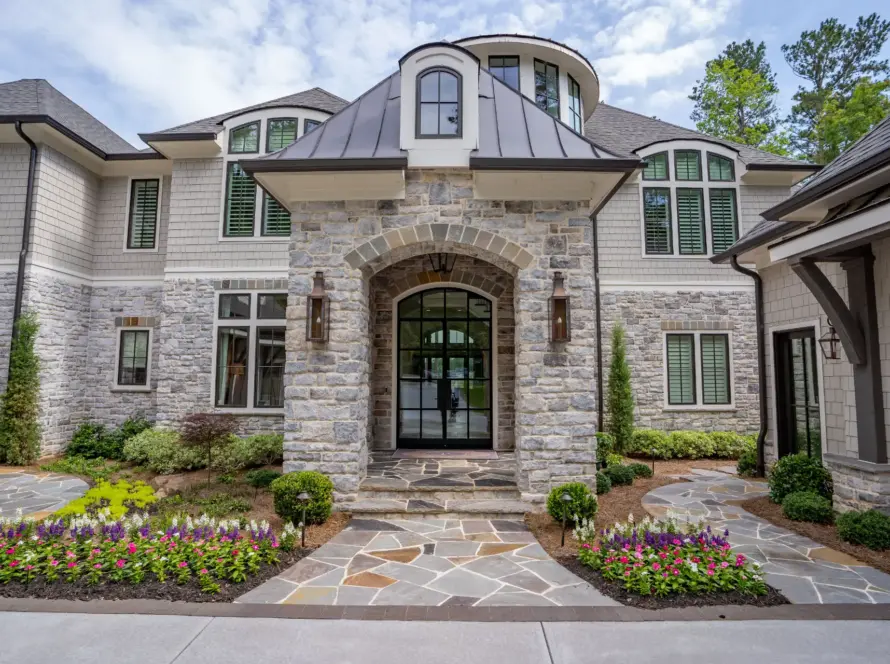
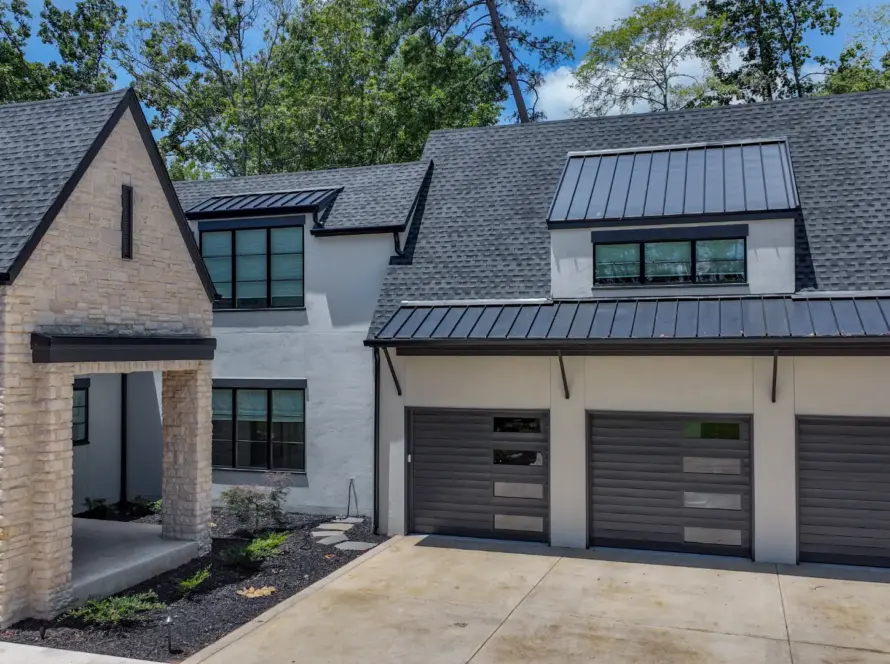
Great projects begin where you stand, not in a showroom. Walk the lot and look at light, breeze, slope, and the cleanest view corridor through the trees. Talk about how you host on busy weekends versus quiet weeks. Decide the budget window now, not later. A trustworthy builder will mark setbacks and height limits on the ground, translate surveys into plain words, and share a first-pass budget range tied to similar recent homes. If you want to see how a home should fit a site before it finishes ever entering the picture, browse examples on What We Build.
Verify The Basics: License, Insurance, References
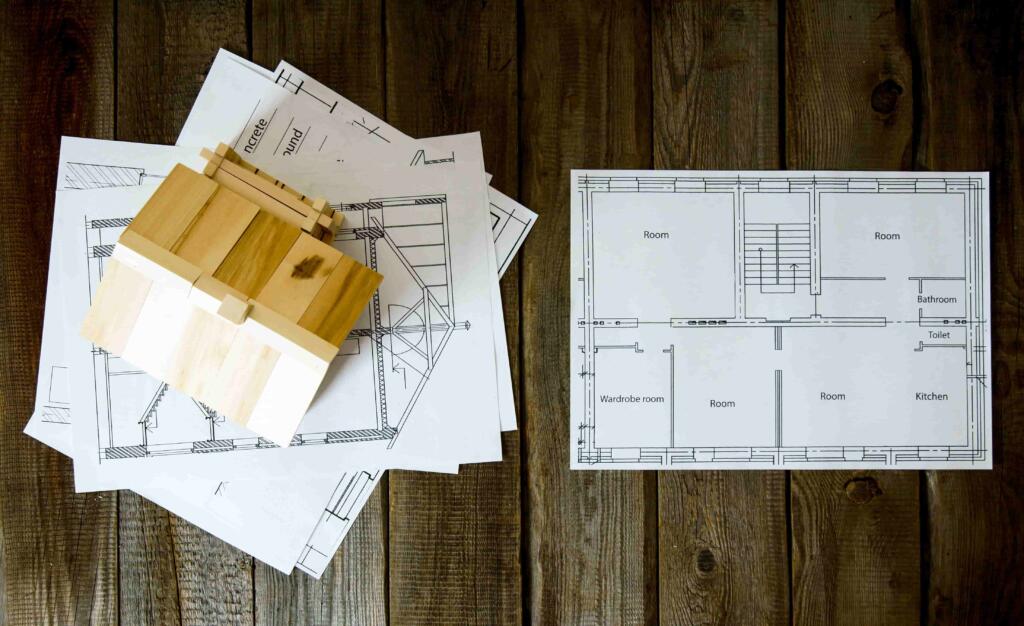
Shortlist in hand, check the essentials. In Georgia, you can verify a residential contractor’s license online in minutes. Ask for certificates of insurance and make sure coverage is current. Then call past clients and listen for the same themes: steady updates, budget clarity, clean sites, and a team that actually answers the phone. Two strong references tell you more than twenty photos.
Georgia License Verification NAHB: How to Hire a Contractor
Ask For A Plain-Language Plan
A good process reads like a clear map. You should know exactly what happens next and who owns each step. Here is the rhythm we favor:
- Lot walk and survey review so the plan fits the land
- Early budget window based on similar recent homes
- Selections guided by a designer in a clean order
- Complete ARB and county packages with one point of contact
- Construction with biweekly photo updates, daily logs, and weekly numbers
- Handover with a one-year warranty and an optional third-party ten-year structural warranty at your expense
You can skim the high-level milestones anytime on our Process page.
Demand Real Budget Clarity
Numbers should lower your heart rate, not raise it. Before contract, estimates should tie to real projects the team has built nearby. Allowances for windows and doors, appliances, cabinets, counters, plumbing, lighting, and outdoor features should reflect true luxury standards so “included” matches what you expect. During construction, weekly updates from accounting keep you oriented. If you request a change, a written change order should show cost and schedule impact before anyone moves. Calm, simple, predictable.
Look For Designer-Led Selections
Selections are where schedules go to die if they are not guided. A builder who protects your time will lead choices in the right order: shell first, then interior finishes. Windows and doors, exterior materials, roofing, appliances, plumbing fixtures, and lighting rough-ins lock early so inspections and lead times stay protected. Then come cabinets, counters, tile, and paint. Your portal should show what is approved, what is pending, and what is next. Out-of-state owners should be able to move at the same pace with video sessions and shipped samples.
Check How They Handle ARB And Permits
Approvals can be a maze if documentation is thin. Ask to see a real submittal set, not just a pretty elevation. Look for a clean site plan, clear elevations with materials, and a simple narrative that explains how the design fits neighborhood context and the lot. A single point of contact should track dates and questions through review. When packages are complete, approvals move faster and groundbreaks hold their place.
Comfort You Can Feel: Cool, Dry, Quiet
A beautiful home that feels sticky in July is a miss. Comfort is a product of the envelope and the systems, not a last-minute add-on. Ask how the builder sizes HVAC and manages humidity. Variable-speed, high SEER equipment should run longer at low power to remove moisture gently and quietly. Fresh air should enter through balanced ventilation and filtration, not gaps. Basements should be conditioned space with sealed slabs, real wall insulation, and tied-in dehumidification. ENERGY STAR’s quick guide to efficient cooling mirrors what works in a humid lake climate.
External link: ENERGY STAR: Central Air Conditioners
Glass And Shade That Keep The View
Large windows are part of lake life, but they must be planned. Low-e glazing should keep color true and cut heat. Overhangs or nearby trees should soften harsh exposures. Motorized shades should tie into scenes for afternoon TV or dinner at sunset. When you can stand in a great room at 3 p.m. without squinting, the plan is doing the quiet work you hired it to do.
Outdoor Rooms You Actually Use
Porches, terraces, and summer kitchens are not accessories, they are living space. Ask how the builder keeps them comfortable across more months. Expect deep shade, low-visibility screens, quiet fans, and slim heaters. A summer kitchen should cook like the real one, with a hood matched to the grill, a hand sink, and counters that resist glare and heat. Pools and spas should sit close to the house with wide steps and short routes. These details decide whether you linger outside or head in after ten minutes.
Gentle Paths To The Water
On Georgia Power lakes, shoreline rules shape dock size, placement, and path locations. Good builders address those early so you do not design around a feature that will never be approved. The walk to the dock should be steady underfoot with short landings, a rail where grade demands it, and low, shielded lights that guide steps without lighting the cove. Small choices here protect the shore and the nightly peace that drew you to the lake.
External link: Georgia Power Shoreline Management
Sound, Light, And Neighbor Care
Golf edges carry eyes and early crews. Water carries voices and light. You want privacy without walls. Look for layered plantings, low seat walls near conversation, and a few subtle offsets in porch walls that break sightlines at seated height. Outdoor lights should be shielded and warm. Speakers should be small and aimed back to the house. Good neighbors sleep well, and resale stays strong.
Look For Clean Walls And Quiet Tech
Walls covered in switches are a red flag. Smart homes feel calm when circuits group into scenes and labels read in plain words. A single platform should tie lights, shades, climate, cameras, and gates together. Remote owners should see the whole home at a glance, not a flood of alerts. Equipment racks should be neat, labeled, and vented. Guests should press a button once and get exactly what they expect.
Ask About Site Etiquette And Safety
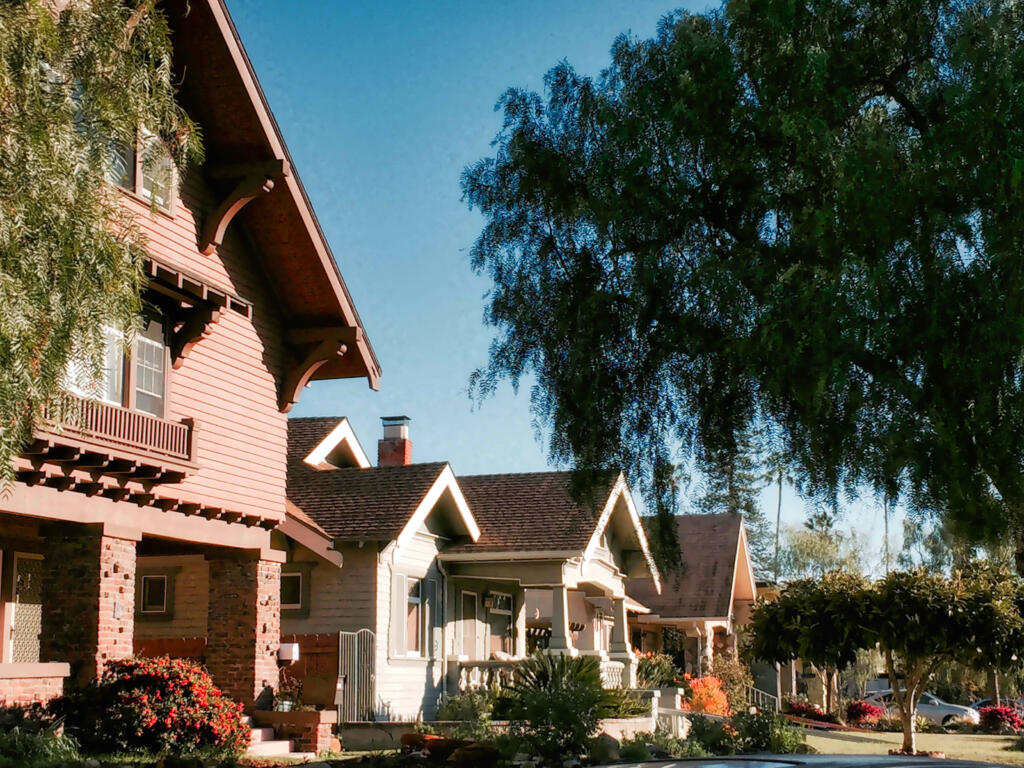
A builder’s jobsite is a preview of your experience. Deliveries should follow a plan. Parking should respect neighbors. Safety fencing and clean walk paths should be standard. Indoors, finished rooms should be protected as work advances. These habits keep projects welcome in a close-knit community and make your home feel cared for long before move-in.
Warranties And Aftercare That Mean Something
You should leave the handover with clear coverage and a familiar contact. Expect a one-year warranty on workmanship and materials. If you want longer structural coverage, ask about an optional third-party ten-year structural warranty at your expense. A one-year check-in after the punch list is complete keeps the relationship anchored. When builders write warranties in plain English, service usually follows suit.
How To Compare Portfolios With Clarity
Portfolios are helpful, but they do not tell the whole story. When you review, look for three things:
- Homes that fit their lots and neighborhoods
- Outdoor rooms shown in daylight and at night, not just interiors
- Evidence of comfort choices: shaded glass, overhangs, quiet mechanical rooms, and basements that look like real living space
Then visit one jobsite. Ten minutes on the ground will confirm what photos cannot.
The Out-Of-State Test
Many Lake Oconee owners live elsewhere during planning and build. Ask how the builder keeps you present without flights. You should see biweekly photo updates, daily logs in a portal, weekly financials, and scheduled video walks at framing, electrical set, tile layout, cabinet install, and punch. With the right rhythm, distance becomes a non-issue.
Timelines You Can Plan Around
Clear calendars beat fast talk. A realistic path looks like this: design 3 to 6 months, ARB and permits about 2 months, construction 12 to 24 months depending on size and complexity, and a punch list that runs a couple of weeks. Week one of construction starts with a kickoff and lot clearing, then footings and foundation, framing, mechanical rough-ins, insulation and air sealing, drywall, trim and tile, cabinets, systems checks, landscaping, and orientation. When big decisions lock early, inspections and lead times stay on track.
Red Flags To Avoid
- Vague allowances below the finish level you expect
- No reference to humidity control or balanced ventilation
- Thin ARB packages or casual talk about “working it out later”
- Switch clutter and a patchwork of unrelated apps
- Jobsite photos that show messy protection or disorganized wiring
If you spot these, press for detail or keep looking.
What A Good Decision Feels Like
You know you picked the right builder when questions lead to calm answers, not fast talk. The lot sets the plan. Numbers match what you see on site. Outdoor rooms become daily life. Tech fades into the background. When handover comes, the home feels easy on day one and still feels that way a year later. If that is your goal at Reynolds Lake Oconee, scan a few recent approaches on What We Build, review the path on our Process, and reach out when you are ready to talk details on Contact.
FAQs
How many bids should I collect before choosing a builder?
Two or three is enough if each estimate is detailed and tied to similar recent homes. Past client calls matter more than a fourth price.
What should allowances include at a luxury level.
Windows and doors, appliances, cabinets, counters, plumbing, lighting, and outdoor features are set at the quality you expect, not an entry point that forces upgrades.
Can I build from out of state without constant travel.
Yes. With biweekly photos, daily logs, weekly numbers, and scheduled video walks, distance becomes simple to manage.
How do I know a builder can handle ARB steps?
Ask to see a complete submittal set and a list of recent approvals. One point of contact should track dates and questions.
What comfort choices matter most at the lake.
A tight shell, shaded glass, right-sized variable-speed HVAC, balanced ventilation, and conditioned basements. These are the invisible things you feel every day.
About the Author
Southern Luxury Homes builds custom residences across Reynolds Lake Oconee and Greensboro, Georgia. The team reads the land first, guides ARB steps in clear language, and delivers homes that feel calm to live in with steady updates and weekly numbers from the first walk to the handover celebration.